
How to read a chair quotation (and spot the gaps before you pay)
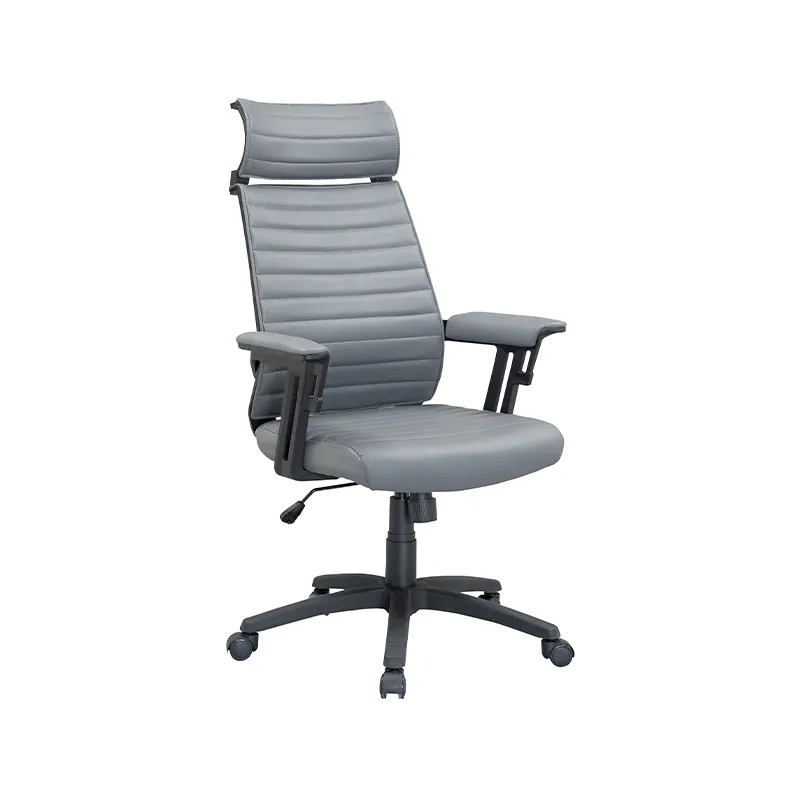
You can learn more about a supplier from their quotation than from a week of friendly emails. A clear, complete quote means an organised factory. A one-line price means surprises later. Here's how to read one properly.
The lines that should be there
A proper chair quote has all of these — if any are missing, ask before you commit:
- Model and clear photo — so there's no "that's not what I ordered" later.
- Unit price + the trade term — almost always FOB Ningbo/Shanghai for us. The term matters as much as the number.
- Key specs in writing — gas lift class, foam density, mechanism type, fabric/mesh, base material. Adjectives like "high quality" don't count; numbers do.
- MOQ and price breaks — what's the minimum, and what does the price do at higher volumes.
- Tooling / mould cost — if any customisation needs it, it should be a separate, named line.
- Sample fee — and whether it's credited back against a bulk order.
- Packaging — carton spec, units per carton, and how it's protected.
- Carton/CBM and units per 20'/40'HQ — this is how you sanity-check freight per chair.
- Lead time and validity — how long to produce, and how long the price holds.
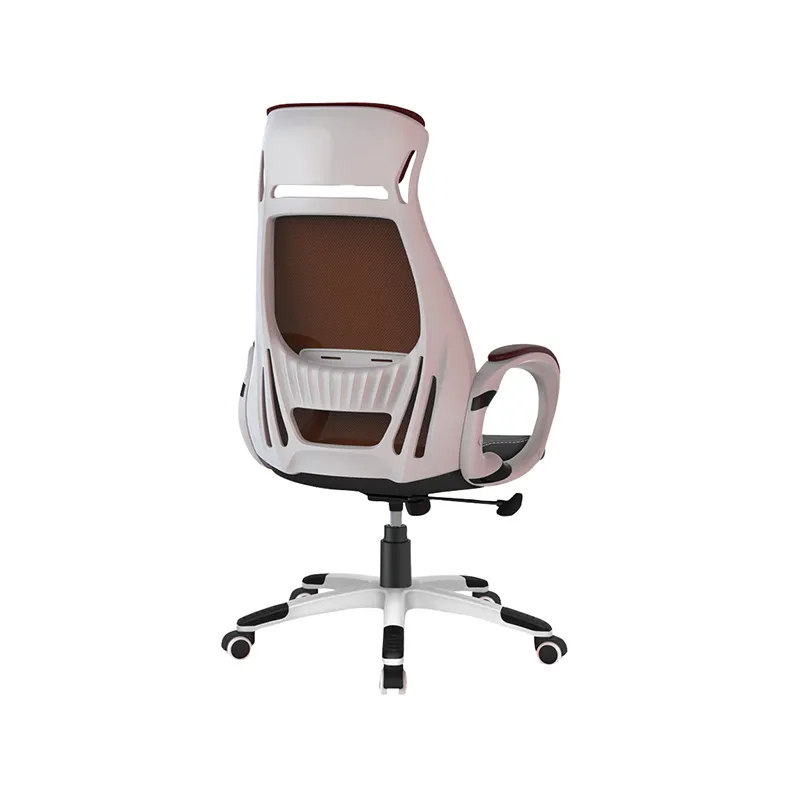
The gaps that cost you money
Here's what's quietly *left off* weak quotes, and what it costs:
- No packaging detail → damaged-on-arrival claims you didn't budget for.
- No CBM / loadability → you can't calculate freight per unit, so the "cheap" chair arrives expensive.
- "Quality materials," no specs → you've agreed to nothing, so production can drift and you have no comeback.
- No mention of tooling → a surprise charge after you're committed.
- No price validity → "raw materials went up" the week you order.
The loadability trick
One number does a lot of work: units per 40HQ. Two chairs at the same FOB price but different packing can have very different freight-per-chair, because one fits 600 in a container and the other 480. Always ask for units-per-container and factor freight in before you decide. A factory that engineers its packing for loadability is saving you money you can't see on the unit line.
Use the quote as a test
Send the same brief to a few suppliers and compare the completeness of the quotes, not just the bottom number. The one that itemises everything, names the specs, and gives you loadability is usually the one that will also run a clean order.
If you want a quote you can actually read — itemised unit/tooling/sample/packaging, specs in writing, and units-per-container so you can check freight — email [email protected] or message us with the model and quantity, and that's what you'll get.